





If your sales team is stretched thin but pipeline results are not showing it, the time allocation is likely the problem. A Forrester Activity Study found that the average rep spends nearly two days per week on administrative tasks alone, leaving less than a third of the working week for actual selling.
AI sales automation closes that gap by handling the repetitive, time-consuming work so you can focus on conversations that move deals forward. This article covers 8 practical ways to increase sales with AI automation, where to start, and how to build a system that compounds over time.
Key Takeaways
- AI sales automation works best when applied to specific bottlenecks rather than your entire sales process at once
- The highest-impact use cases, lead scoring, follow-up automation, and pipeline revival, work on contacts already in your pipeline rather than requiring new acquisition
- Behavior-adaptive automation consistently outperforms fixed-schedule sequences because it responds to what prospects actually do
- For B2B businesses with complex or specific operational workflows, a custom AI system will outperform a generic platform configured to approximate the same outcome
What AI Sales Automation Does
Basic sales automation runs on rules you set in advance. Send a follow-up on day three. Move a contact to a new stage if they open an email. Notify a rep when a lead fills out a form. These rules work until something falls outside what you planned for, and in a real sales pipeline, that happens constantly.
AI sales automation is different because the system responds to what is happening rather than what you assumed would happen. It reads behavioral signals across your pipeline, adjusts timing and messaging based on patterns, scores contacts as new data comes in, and surfaces the right action at the right moment without someone having to log in and make a judgment call.
The practical difference shows up in three ways:
- Less manual decision-making: Your team stops deciding which leads to call first, when to follow up, or which contacts to re-engage. The system handles prioritization based on real signals.
- Fewer things falling through the cracks: Leads that go quiet do not disappear into a backlog. Deals that are losing momentum get flagged before they die.
- More selling time: When admin, data entry, follow-up scheduling, and CRM updates run automatically, reps spend more of their day on the conversations that close deals.
The shift from rule-based to adaptive automation is one of the defining AI marketing automation trends separating high-performing sales teams from the rest in 2026.
8 Ways to Increase Sales With AI Automation
The strategies below cover the full sales cycle, from finding and prioritizing the right leads to closing faster and keeping your brand visible between touchpoints. You do not need to implement all eight at once. Start with the one that maps most directly to where your pipeline is losing the most ground right now.
1. Score and Prioritize Leads Automatically
Most sales teams work through leads in the order they arrived rather than the order they are likely to convert. That means reps spend time on contacts that were never going to buy while genuinely ready prospects wait.
AI lead scoring fixes this by assigning scores based on signals like:
- Pages visited and time spent on site
- Emails opened and links clicked
- Job title, company size, and industry fit
- How those signals compare to contacts that converted before
Scores update continuously as new data comes in, so a contact that shifts from passive to highly engaged gets flagged straight away rather than sitting in a queue. AI lead scoring is one of the most practical AI marketing automation examples B2B teams are seeing real returns from in 2026.
2. Automate Follow-Up Sequences That Adapt
Sending the same follow-up sequence to every prospect regardless of what they did between touches is one of the most common reasons deals go cold. A contact who opened your email twice and visited your pricing page is not in the same position as one who ignored every touch, and treating them identically wastes both.
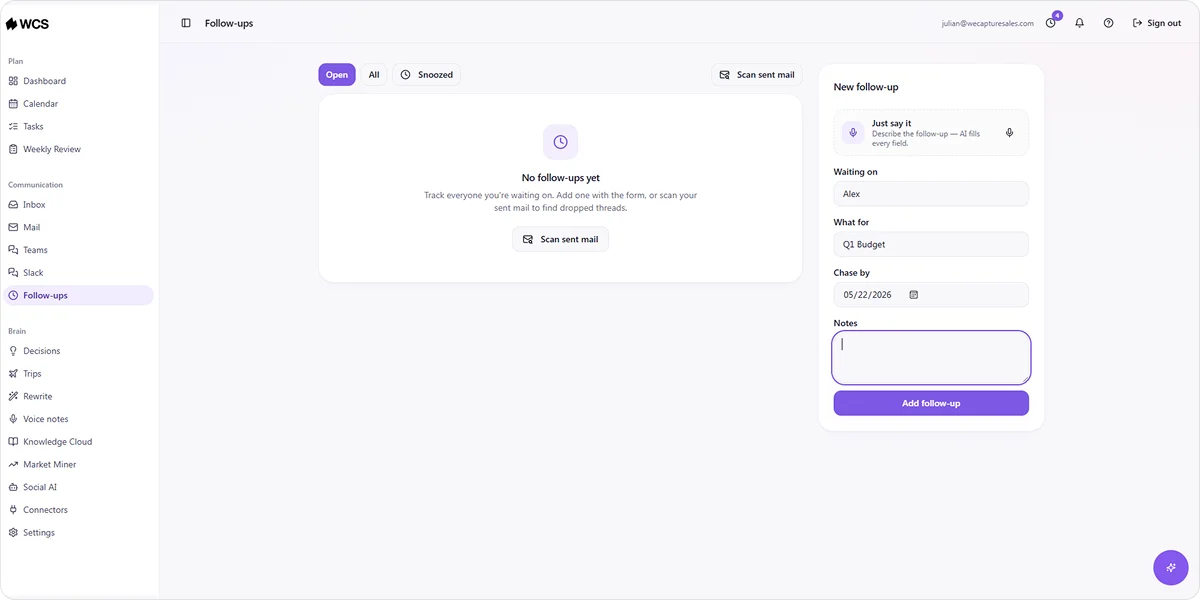
Behavior-adaptive follow-up adjusts the next message based on what each prospect does. If they clicked a link, the next email builds on that interest. If they went quiet, the sequence shifts tone rather than repeating the same note. If they reply, a rep gets notified immediately so the conversation moves to a human at the right moment.
The right follow-up automation solution makes the difference between a sequence that adapts and one that just fires on a timer.
3. Revive Dormant Pipeline
Every B2B business has a backlog of contacts that went quiet: leads that showed interest months ago, past customers that churned, prospects that said not now. That pipeline has real commercial value sitting idle because manually reaching out to hundreds of dormant contacts is not a practical use of anyone's time.
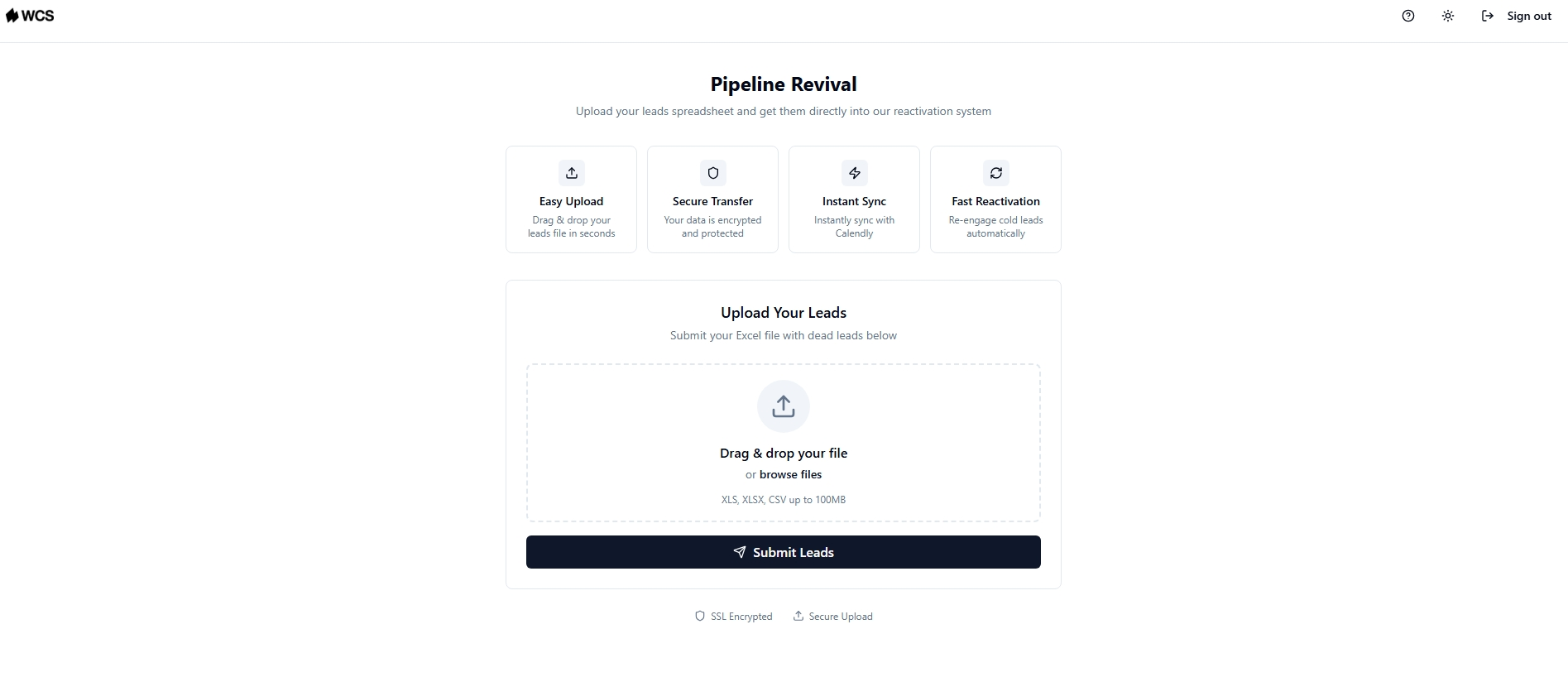
AI pipeline revival ingests that contact data and runs targeted sequences that adapt based on how each contact responds. The first touch references what they originally engaged with. Engaged contacts get routed to a booking link without anyone stepping in manually. Those who do not respond get a different message rather than the same note sent a third time.
Reactivating a warm contact costs significantly less than generating a new lead, and conversion rates on warm reactivation consistently outperform cold outreach. We Capture Sales's Pipeline Revival product handles this for B2B teams, routing engaged contacts to booked meetings without manual handoff.
4. Monitor Market and Competitor Signals
Timing is one of the most underrated variables in B2B sales. A prospect who ignored your outreach three months ago may be ready to buy today because their budget renewed, their team expanded, or a competitor let them down. Without a system monitoring those signals, there is no way to know.
AI market intelligence tools track signals continuously, including:
- Target accounts posting jobs that signal growth or budget
- Competitor announcements that create outreach windows
- Leadership changes at prospect companies that open fresh conversations
- Industry news that creates timely content or positioning opportunities
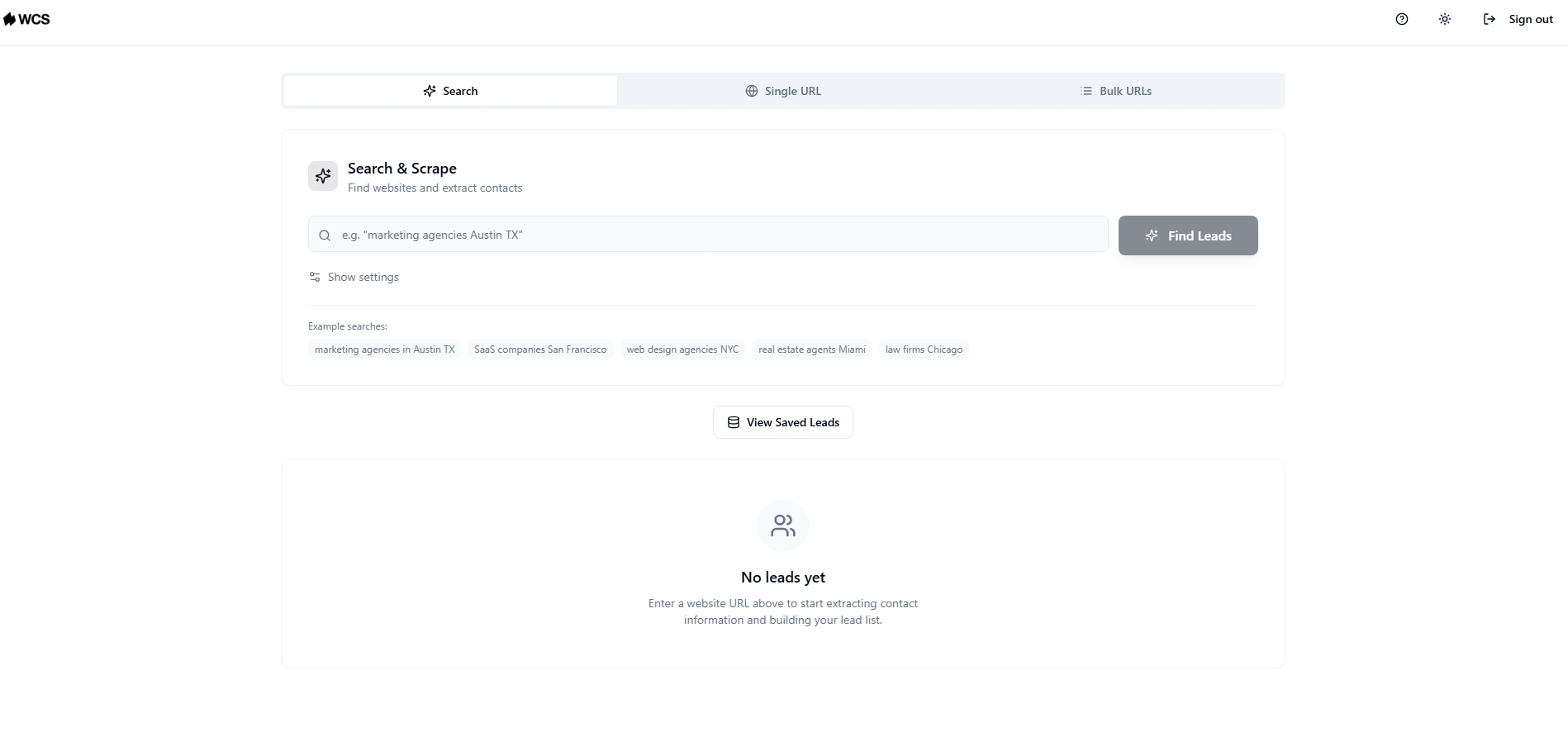
We Capture Sales's Market Miner monitors these signals across the web and surfaces what your team can act on, without anyone spending hours doing manual research.
5. Personalize Outreach at Scale
Most outreach gets ignored because it reads like it was written for everyone. A message that references something specific happening at a prospect's company right now, a recent funding round, a leadership change, a job posting that signals a new priority, performs significantly better than one built from a generic template.
Signal-based personalization handles the research layer automatically. Rather than a rep spending 20 minutes per prospect toggling between LinkedIn, news feeds, and company websites, AI pulls real-time signals and builds context-specific outreach around what is happening at each account right now.
The depth of personalization directly determines how many people respond, and the gap between generic blasts and signal-based outreach is significant across every benchmark report tracking cold email performance in 2026. Teams that previously needed a full SDR function to do this at volume can now run leaner, reach more of the right people, and do it without adding headcount.
6. Automate CRM Data Enrichment
A lead enters your CRM with a name, email, and company. Everything else is missing: industry, revenue range, tech stack, and whether the contact information is even current. Every system built on top of that incomplete data produces worse results than it should.
AI data enrichment automatically fills those gaps by:
- Pulling firmographic data including company size and industry
- Adding contact-level detail like job title and seniority
- Flagging recent triggers like funding rounds or leadership changes
- Keeping records current as people change roles over time
Clean data is the foundation that makes every other strategy on this list work better. A scoring model built on incomplete records scores inaccurately. Sequences built on outdated job titles reach the wrong person.
7. Surface Deal Risk Early
Most deal risk is visible before a deal dies. The prospect stops replying. Meeting frequency drops. The last call ended without a clear next step. The problem is these signals are scattered across inboxes, CRMs, and call recordings, and nobody has time to monitor all of them across a full pipeline at once.
AI pipeline health tools analyze interactions across your active deals and flag risk signals before they become closed-lost entries. A deal where response times have doubled and meeting attendance has dropped looks different from one trending in the right direction, and the system tells you which is which without a manual weekly review.
8. Keep Your Brand Visible With Social Selling Automation
Social selling is one of those activities every sales team knows matters and almost nobody does consistently. Posting content, engaging with target accounts, sharing relevant updates, all of it falls off the priority list the moment pipeline pressure increases.
AI social automation handles content creation and publishing based on your actual market positioning rather than generic industry content. It keeps your brand visible to prospects across target accounts without your team spending hours managing it each week. Over time, a consistent presence:
- Warms up outbound conversations before a rep reaches out
- Gives prospects a reason to engage before a cold email lands
- Keeps your brand top of mind during long B2B buying cycles
We Capture Sales's Social AI product handles this for B2B teams, generating and publishing branded content across platforms based on your positioning and audience data.
Where to Start: A Simple Prioritization Framework
Knowing what is possible is one thing. Deciding where to begin is where most teams get stuck, and picking the wrong starting point is how automation investments underperform.
Before you build anything, answer these two questions:
Where is your pipeline losing the most ground right now? If deals are going cold after the first touch, follow-up automation is your starting point. If your team is spending hours researching prospects before outreach, personalization and enrichment automation come first. If you have hundreds of dormant contacts nobody has time to reach, pipeline revival will show the fastest return.
What would success look like in 90 days? Pick one metric and commit to it. More meetings booked, fewer hours on manual follow-up, higher reply rates on outreach. One clear outcome keeps the focus honest and gives you something real to measure progress against.
The teams that see the fastest results from AI sales automation are not the ones that automate everything at once. They pick one bottleneck, fix it properly, measure the outcome, and build from there.
How We Capture Sales Helps You Increase Sales with AI Automation
The eight strategies above cover what AI sales automation can do. The harder question for most B2B businesses is not what to automate but how to get it all working together without stitching five separate tools into a stack that nobody has time to maintain.
We Capture Sales builds custom AI systems that connect these functions from the start. Rather than handing over a platform to configure, it builds the system around your specific sales workflows, contact data, and operational goals after a one-on-one discovery conversation. What comes out is not a generic product your team adapts to. It is a system that fits how your business sells.
The products map directly to the strategies covered in this article:
- Pipeline Revival works through your existing CRM or CSV contacts, running adaptive email and SMS sequences that convert engaged prospects into booked meetings without your team stepping in manually. It covers strategies three and two simultaneously: dormant pipeline revival and behavior-adaptive follow-up in one system.
- Market Miner monitors competitor activity, buyer intent signals, and market movements continuously, surfacing the kind of timely intelligence that makes outreach relevant rather than generic. Strategy four, without the manual research overhead.
- Social AI generates and publishes branded content tied to your actual market positioning across your active platforms, keeping your brand visible to prospects between touchpoints consistently. Strategy eight, running in the background every week.
- Knowledge Cloud centralizes your internal business knowledge and feeds it into every AI system running your workflows, so every automation works from an accurate and current foundation.
Every solution runs on private, AWS-based infrastructure. Your data is never sold, shared, or used to train public AI models. Support continues after go-live, with ongoing refinement as your pipeline and market evolve.
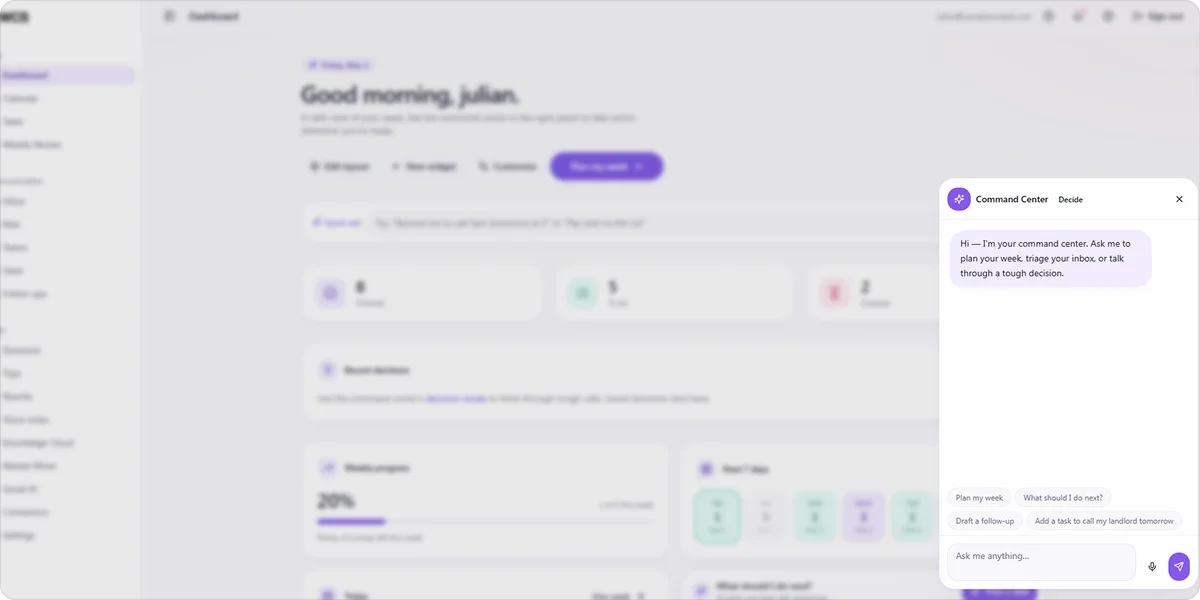
If you want a sales automation system built around how your business sells rather than a platform to build on top of, schedule a free consultation with the We Capture Sales team.
Frequently Asked Questions
How does AI automation increase sales?
AI automation increases sales by removing the manual work that slows your team down and replacing guesswork with real data. It prioritizes the right leads, runs adaptive follow-up sequences, flags deal risk early, and keeps outreach personalized at a volume no team could sustain manually. The result is more selling time, faster cycles, and fewer deals falling through the cracks.
Where should a B2B sales team start with AI sales automation?
Start with the part of your pipeline losing the most ground right now. Deals going cold after the first touch? Start with follow-up automation. Dormant contacts piling up? Pipeline revival delivers the fastest return. Poor outreach reply rates? Personalization and enrichment automation come first. Pick one bottleneck, fix it properly, and expand from there.
Can AI replace a sales team?
No. AI handles the volume work: research, data entry, follow-up scheduling, lead scoring, and signal monitoring. The conversations that close deals still require human judgment and relationship context. What changes is how much of a rep's day goes toward selling versus admin, and that shift is where the results show up.


